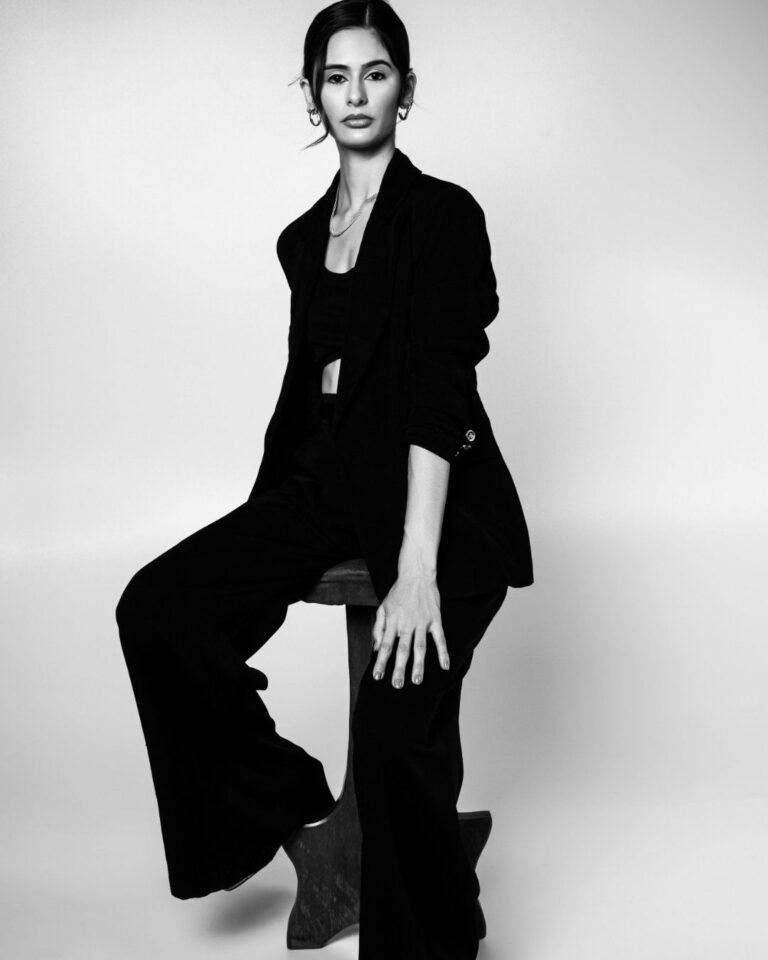
Top Gen Z Fashion Trends You Need to Know in 2026
Introduction
Fashion has always been a reflection of culture, creativity, and personal identity. But in 2026, no generation is influencing style more than Gen Z. Known for their bold self-expression, digital-first mindset, and commitment to authenticity, Gen Z has completely changed how people view fashion.
Unlike previous generations that followed runway trends and celebrity styles, Gen Z takes inspiration from social media, online communities, influencers, and even thrift stores. They aren’t afraid to mix different aesthetics, experiment with colors, or break traditional fashion rules. Comfort, sustainability, and individuality matter more than ever.
Whether you’re looking to refresh your wardrobe, stay ahead of fashion trends, or understand what drives today’s style culture, these are the biggest Gen Z fashion trends dominating 2026.
1. Oversized Streetwear Is Still King
If there’s one trend that continues to define Gen Z fashion, it’s oversized streetwear. Comfortable, relaxed, and effortlessly cool, oversized clothing has become a wardrobe essential for millions of young fashion lovers.
Baggy jeans, oversized hoodies, graphic tees, loose cargo pants, and relaxed jackets are everywhere. The appeal lies in the balance between comfort and style. People no longer want to sacrifice comfort just to look fashionable.
Streetwear also gives wearers the freedom to create unique outfits that reflect their personality. Whether paired with sneakers, caps, or layered accessories, oversized pieces make a statement without looking overdone.
2. Sustainable Fashion Is More Important Than Ever
In 2026, sustainability is no longer just a buzzword—it’s a lifestyle choice. Gen Z consumers are becoming increasingly aware of how their shopping habits impact the environment.
Instead of buying fast fashion items that quickly go out of style, many are investing in quality clothing made from organic cotton, recycled materials, and eco-friendly fabrics. Ethical production practices and sustainable packaging are also becoming major factors when choosing a brand.
Today’s shoppers want to know where their clothes come from and how they are made. Brands that prioritize transparency and environmental responsibility are gaining trust and loyalty from Gen Z audiences.
Fashion is no longer just about looking good—it’s also about making responsible choices.
3. The Y2K Trend Continues to Evolve
The early 2000s are still having a major influence on fashion in 2026. However, Gen Z isn’t simply copying old trends—they’re reinventing them.
Low-rise jeans, baby tees, mini skirts, colorful sunglasses, metallic accessories, and platform sneakers have made a strong comeback. The difference is that these pieces are now being styled with a modern twist.
Instead of recreating complete Y2K outfits, Gen Z often combines nostalgic items with contemporary basics to create a fresh and balanced look. This mix of old and new keeps the trend exciting while making it feel relevant to today’s fashion landscape.
4. Gender-Fluid Fashion Goes Mainstream
Fashion is becoming increasingly inclusive, and Gen Z is leading that change. Traditional labels like “menswear” and “womenswear” are becoming less important as gender-fluid fashion gains popularity.
Many young consumers are choosing clothing based on personal style rather than gender categories. Oversized shirts, relaxed trousers, hoodies, utility jackets, and sneakers are being worn by everyone.
This shift reflects a broader cultural movement toward self-expression and individuality. Fashion is becoming a tool for people to showcase who they are rather than conforming to outdated expectations.
The result is a more diverse and inclusive fashion industry that celebrates creativity in all forms.
5. Thrifting and Vintage Fashion Remain Popular
One of the most exciting aspects of Gen Z fashion is the love for vintage and second-hand clothing. Thrift shopping has become both a fashion trend and a sustainable practice.
Vintage denim jackets, oversized blazers, retro sneakers, and classic graphic tees are highly sought-after pieces. Many fashion enthusiasts enjoy the thrill of finding unique items that can’t be purchased in regular stores.
Beyond style, thrifting also supports sustainability by reducing waste and extending the life cycle of clothing. It’s affordable, environmentally friendly, and allows individuals to build wardrobes filled with one-of-a-kind pieces.
In a world where mass-produced fashion is everywhere, vintage shopping offers something truly unique.
6. Technology Meets Fashion
Fashion and technology are becoming increasingly connected, creating exciting possibilities for the future.
In 2026, smart clothing and wearable technology are gaining attention among Gen Z consumers. From fitness-tracking apparel to augmented reality shopping experiences, technology is changing how people interact with fashion.
Some brands are experimenting with digital fashion collections that exist only online, while others are incorporating innovative materials and smart features into everyday clothing.
Although tech-integrated fashion is still developing, it has the potential to transform the industry in ways we have only begun to imagine.
7. Modern Minimalism Is Growing
While bold streetwear continues to thrive, many Gen Z consumers are also embracing minimalist fashion.
Modern minimalism focuses on building versatile wardrobes with high-quality essentials rather than constantly chasing trends. Neutral colors, clean silhouettes, and timeless pieces are becoming increasingly popular.
Simple t-shirts, tailored trousers, classic sneakers, and versatile jackets form the foundation of this style. The goal is to create outfits that look polished while remaining effortless.
This approach not only supports sustainability but also encourages smarter purchasing decisions and long-term wardrobe planning.
8. Sneaker Culture Remains Strong
Sneakers continue to play a major role in Gen Z fashion. More than just footwear, sneakers have become symbols of personal style, cultural identity, and creativity.
Chunky sneakers, retro running shoes, sustainable designs, and limited-edition collaborations are among the most popular choices in 2026.
Many fashion enthusiasts build entire outfits around their sneakers, using them as statement pieces that bring a look together. Whether paired with streetwear, casual wear, or even semi-formal outfits, sneakers offer unmatched versatility.
Their popularity shows no signs of slowing down anytime soon
9. Bold Colors and Creative Layering
Gen Z is known for pushing boundaries, and fashion is no exception. Bright colors and experimental layering are helping individuals create distinctive and memorable looks.
Vibrant shades like electric blue, hot pink, bright green, orange, and lavender are making appearances across clothing collections and social media feeds.
Layering techniques are also becoming more creative. Oversized shirts worn over graphic tees, hoodies layered under jackets, and mixed fabrics are helping people express their personal style in unique ways.
This trend encourages confidence and creativity while allowing wearers to stand out from the crowd.
10. Personalized Fashion Is Taking Over
One-size-fits-all fashion is becoming less appealing to Gen Z consumers. Instead, people want clothing that feels personal and unique.
Custom embroidery, personalized graphics, DIY fashion projects, and limited-edition pieces are becoming increasingly popular. Social media platforms have inspired countless individuals to customize their wardrobes and create signature styles.
Personalized fashion allows people to tell their stories through clothing. It creates a stronger emotional connection to what they wear and helps them stand apart in a world of mass production.
As customization becomes more accessible, this trend is expected to grow even further in the coming years.
The Impact of Social Media on Gen Z Fashion
Social media continues to be one of the biggest influences on fashion trends. Platforms like TikTok, Instagram, and Pinterest have transformed how people discover new styles and brands.
A trend that starts with a single creator can quickly spread across the world within days. Outfit inspiration, styling tips, fashion challenges, and product recommendations are now available at everyone’s fingertips.
This constant flow of content has accelerated trend cycles while giving smaller brands the opportunity to reach global audiences. As a result, fashion has become more democratic, diverse, and accessible than ever before.
Conclusion
Gen Z fashion in 2026 is defined by creativity, comfort, sustainability, and self-expression. From oversized streetwear and vintage-inspired outfits to sustainable clothing and personalized fashion, today’s trends reflect a generation that values authenticity above all else.
Rather than following strict fashion rules, Gen Z embraces individuality and encourages people to wear what makes them feel confident. This mindset is reshaping the fashion industry and inspiring brands to become more inclusive, sustainable, and innovative.
As fashion continues to evolve, one thing is clear: Gen Z isn’t just following trends—they’re creating them.